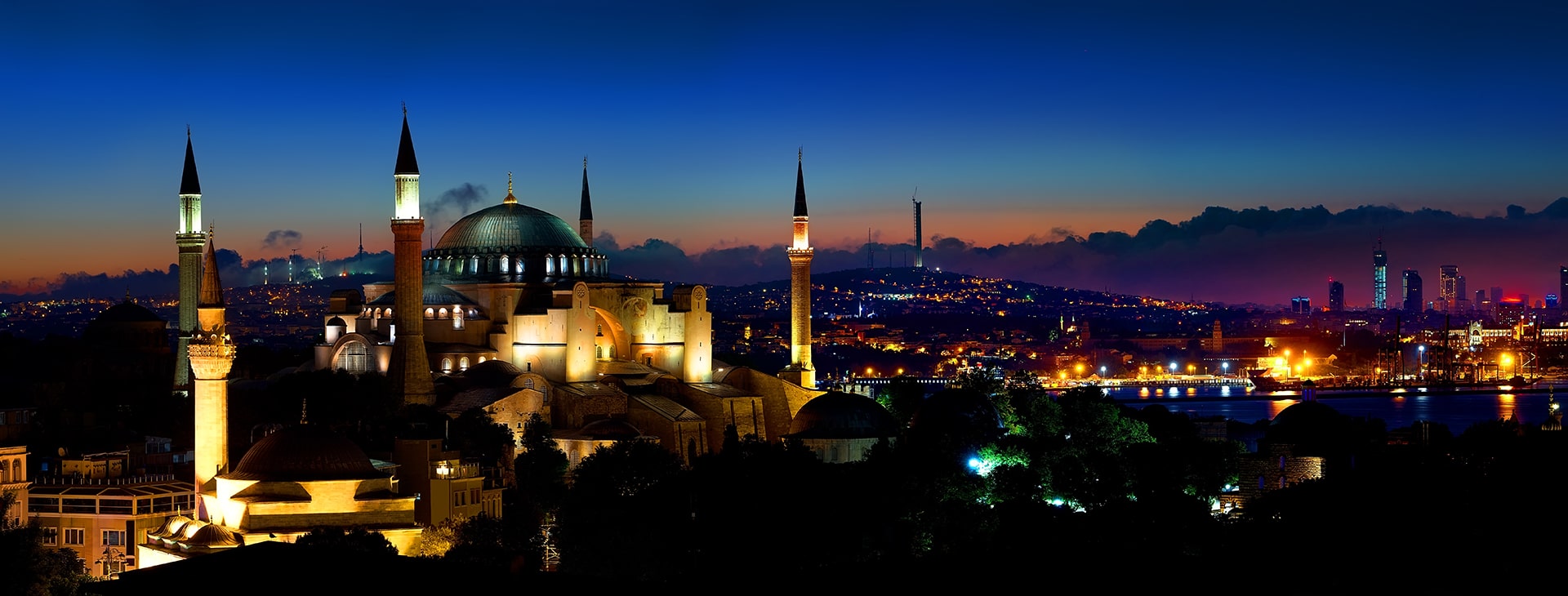
Istanbul is a city that overwhelms the senses. The call to prayer echoing from minarets, the scent of roasted chestnuts wafting through Sultanahmet Square, and the vibrant chaos of the Grand Bazaar define the surface experience of this transcontinental metropolis. However, there is another Istanbul that exists in total silence, hidden beneath the layers of history and asphalt. It is a subterranean world of cool dampness, shadow, and architectural majesty that has survived for over a millennium. As we step into January 2026, the allure of these underground reservoirs remains as potent as ever, inviting travelers to peel back the layers of time and witness the engineering genius of the Eastern Roman Empire.
To understand Constantinople, one must understand its relationship with water. Surrounded by the sea on three sides yet lacking sufficient fresh water springs within its walls, the capital of the Byzantine Empire faced a constant existential threat. The need for a reliable water supply was paramount, not only for daily life but also for defense, ensuring the city could withstand prolonged sieges. The solution was a massive, complex network of aqueducts and cisterns designed to store water for the imperial palace and the city's inhabitants during long sieges or droughts. These were not merely utilitarian pits; they were underground cathedrals built with the same grandeur as the temples above, serving as a testament to the empire's wealth and foresight. The construction of these cisterns also reflects the Byzantine emperors' ambition to emulate and surpass the architectural achievements of their Roman predecessors, solidifying their claim as the inheritors of Roman power and civilization.
The Engineering of Survival: How Constantinople Thirsted
The survival of Byzantine Constantinople hinged on its ability to manipulate nature. The cisterns were the final destination of a hydraulic system that stretched for hundreds of kilometers into the Thracian hinterland. Water was channeled through the Valens Aqueduct, a still-standing testament to Roman engineering prowess adapted and expanded by the Byzantines, and stored in massive open-air reservoirs before being filtered into covered cisterns. This system was so advanced that it sustained the city through centuries of warfare, ensuring that even when enemies stood at the gates, the city would not die of thirst.
These structures were built using Roman concrete and brick, utilizing a forest of columns to support the heavy masonry vaults above. What makes them fascinating today is not just their function, but their resilience. They have withstood earthquakes, invasions, and the weight of a modern city growing above them. Below is a comparison of the two most significant covered cisterns accessible to travelers today:
| Feature | Basilica Cistern (Yerebatan) | Theodosius Cistern (Şerefiye) |
|---|---|---|
| Builder | Emperor Justinian I | Emperor Theodosius II |
| Construction Era | 6th Century (532 AD) | 5th Century (428-443 AD) |
| Column Count | 336 Columns | 32 Columns |
| Atmosphere | Mysterious, expansive, watery | Classical, restored, visual art |
| Key Highlight | Medusa Heads | 360° Projection Mapping |
The Sunken Palace: Basilica Cistern (Yerebatan Sarnıcı)
Descending the stone stairs into the Basilica Cistern feels like entering a different realm. Known locally as Yerebatan Sarnıcı (Cistern Sunk into the Ground), this structure was commissioned by Emperor Justinian I following the destructive Nika Riots. These riots, which nearly toppled Justinian's reign, underscored the need for a secure and reliable water supply, highlighting the cistern's strategic importance from its inception. It is the largest of several hundred ancient cisterns that lie beneath the city. The air here is perpetually cool, a welcome respite from the summer heat or the winter chill, and the only sound is the rhythmic dripping of water and the soft whispers of awe-struck visitors. Wooden walkways allow you to navigate through a forest of 336 marble columns, each standing 9 meters high, arranged in precise symmetry that vanishes into the darkness.
The Mystery of the Medusa Heads
Perhaps the most enigmatic feature of the Basilica Cistern lies in its northwest corner. Here, two massive column bases are formed by the heads of Medusa, the snake-haired Gorgon of Greek mythology. One head lies on its side, while the other is upside down. Their presence here has sparked centuries of debate among historians and archaeologists. While some suggest their positioning was a deliberate attempt to negate the Gorgon's deadly gaze, the more pragmatic explanation is that they were spolia—repurposed materials taken from older Roman buildings. To the Byzantine builders, they were likely just convenient blocks of stone of the right size, yet their inverted placement adds a layer of eerie superstition to the engineering feat.
The Weeping Column
Another architectural secret hidden in the dim light is the Hen’s Eye Column, often called the Weeping Column. Unlike the other smooth or fluted columns, this one is engraved with teardrop shapes and remains perpetually wet. Legend says it was erected as a tribute to the hundreds of slaves who died during the cistern's construction. Visitors often place their thumb in a hole in the column and rotate it, a ritual believed to bring good luck, connecting the modern traveler with the sorrow and labor of the ancient world.
The Theodosius Cistern: A Symphony of Light and Stone
While the Basilica Cistern is the most famous, the Theodosius Cistern (Şerefiye Sarnıcı) offers a more intimate and perhaps more refined experience. Built a century earlier than the Basilica by Emperor Theodosius II, this structure was lost to history for many years, hidden beneath a municipal building until a meticulous restoration revealed its glory. It is smaller, supported by 32 massive marble columns, but the feeling of height and space is profound. The restoration has cleared away the mud and debris, leaving a pristine environment that highlights the classical elegance of the Corinthian capitals and the sturdy brick arches.
Bridging History with Modern Art
What sets the Theodosius Cistern apart in the modern era is how it utilizes technology to tell its story. Unlike the static darkness of other sites, this cistern frequently hosts a mesmerizing 360-degree projection mapping show. Light dances across the ancient walls, tracing the history of Istanbul from the Byzantine era through the Ottoman conquest and into the Turkish Republic. It is a surreal experience where digital art meets 1,600-year-old masonry, allowing visitors to visualize the water rising and falling, and the city evolving above. This fusion of ancient architecture and modern storytelling makes it an unmissable stop for those who want to see history come alive.
Architectural Secrets Hidden in the Dark
Exploring these cisterns requires a keen eye for detail. The Byzantines were masters of recycling, a practice known as spolia. Because sourcing new marble was expensive and time-consuming, builders often raided pagan temples and older structures for columns and capitals. This results in a mismatched aesthetic that is charmingly chaotic; you might see a Corinthian capital next to a Doric one, or granite columns paired with white marble. This eclecticism is not a flaw but a feature, telling the story of an empire that built upon its own past to secure its future.
When visiting these subterranean wonders, pay close attention to the following architectural details that are often overlooked:
- The Brickwork: Notice the thin red bricks and thick layers of mortar. This technique, utilizing crushed brick in the mortar (khorasan mortar), made the walls waterproof.
- Iron Ties: Look for the original iron tie bars connecting the arches. These were crucial for earthquake resistance, allowing the structure to flex without collapsing.
- Column Bases: Beyond the Medusa heads, many columns rest on mismatched bases, some with intricate carvings of leaves or crosses that hint at their previous lives in temples or forums.
Practical Tips for the Subterranean Traveler
Visiting the cisterns is a highlight of any trip to Istanbul, but a little preparation goes a long way. Since these are popular attractions, the queues can get long, especially for the Basilica Cistern. Early morning visits, right when the doors open, offer the most tranquil experience, allowing you to capture photos without crowds. Consider bringing a wide-angle lens to capture the vastness of the cisterns, and a tripod for sharper images in low light. Look for opportunities to photograph reflections in the water for a dramatic effect. The lighting in both cisterns is intentionally dim to preserve the atmosphere and prevent algae growth, so modern cameras with good low-light sensors are recommended over flash photography, which ruins the ambiance.
As you ascend back to the surface, blinking in the sunlight of modern Istanbul, the contrast is jarring. You have just walked where Byzantine emperors stored their most precious resource. You have looked into the eyes of Medusa and stood amidst the foundations of a city that changed the course of history. The cisterns are more than just water tanks; they are time capsules, preserving the silence and grandeur of Constantinople beneath the chaotic rhythm of the city.