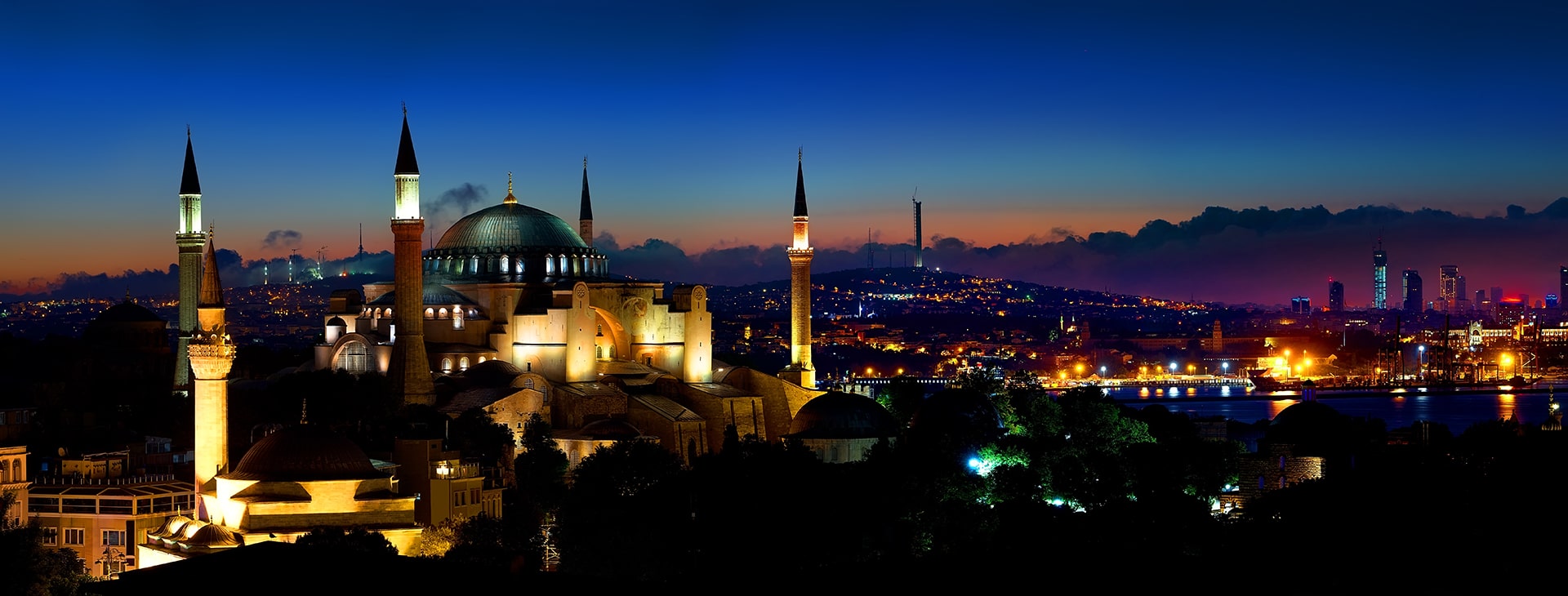
There is a distinct shift in energy the moment the ferry engines roar to life at the Eminönü or Beşiktaş docks. Leaving the silhouette of the Historic Peninsula behind—with its crowded squares and monumental mosques—offers a sense of liberation that every traveler to Istanbul should experience. The journey across the Bosphorus is not merely a commute; it is a transition between two worlds. As the European shore fades and the Maiden’s Tower draws closer, you are entering a part of the city that feels more residential, more relaxed, and arguably, more authentic. In January 2026, as the city continues to evolve, the Asian side (Anatolian side) remains a bastion of deep-rooted culture mixed with a vibrant, modern artistic pulse.
While the European side often feels like an open-air museum designed for the world to see, the Asian side feels like a living room where the locals actually live. Here, the tea tastes a little steeper, the pace is slightly slower, and the cultural treasures are tucked away in neighborhoods that demand exploration rather than just sightseeing. From imperial summer residences to independent art galleries hidden in narrow streets, crossing the water opens up a diverse itinerary that captures the true essence of Istanbul.
The Imperial Welcome: Üsküdar and Beylerbeyi Palace
Your journey begins in Üsküdar, a district steeped in history and religious heritage. While the waterfront is bustling, a short trip north along the Bosphorus brings you to one of the city's most underrated architectural marvels: the Beylerbeyi Palace. Unlike the sprawling Topkapı or the massive Dolmabahçe, Beylerbeyi was designed as a summer residence and a guesthouse for visiting dignitaries. Sitting directly under the suspension bridge, its location offers a unique juxtaposition of 19th-century Ottoman baroque architecture against modern engineering.
Stepping inside Beylerbeyi is like entering a time capsule of imperial leisure. The palace is renowned for its opulent interior, which distinguishes itself with a somewhat nautical theme, reflecting the Ottomans' love for the sea. You will notice the Egyptian straw mats on the floors—used specifically to keep the palace cool during humid Istanbul summers—and the stunning crystal chandeliers that refract the light dancing off the Bosphorus water just outside the windows. It is a place of quiet grandeur, far removed from the long queues of the European palaces, allowing you to appreciate the intricate frescoes and the marble workmanship in relative peace.
Strolling Through Kuzguncuk
Just a stone's throw from the palace lies the charming neighborhood of Kuzguncuk. Before heading further south, take a moment to walk through this valley where mosques, churches, and synagogues have stood side by side for centuries, a testament to Istanbul's historical religious tolerance. The neighborhood's name, rumored to be derived from a holy man named Kuzgun Baba, adds to its mystique. The colorful wooden houses with their intricate bay windows are perfect for photography enthusiasts. As you wander, keep an eye out for the iconic Kuzguncuk Mosque and the Surp Agop Armenian Church. For a taste of local life, stop by a traditional bakery for freshly baked simit or poğaça. It is a neighborhood that refuses to succumb to high-rise modernization, preserving a village atmosphere that is increasingly rare in a metropolis of this size.
A Journey to Childhood: The Istanbul Toy Museum
Leaving the Bosphorus shore and heading deeper into the Göztepe neighborhood, you will find a cultural treasure that appeals to the heart rather than just the intellect. The Istanbul Toy Museum, founded by the poet and author Sunay Akın, is housed in a historic white mansion that looks like it was plucked from a fairy tale. This is not just a collection of playthings; it is a curated history of the world told through the lens of childhood.
The museum houses thousands of toys gathered from antiques shops and auctions from over 40 countries, with some pieces dating back to the 1700s. As you move from room to room, you aren't just looking at dolls and tin cars; you are witnessing the evolution of the Industrial Revolution, the impact of space exploration on pop culture, and the shifting societal norms of the 20th century. The museum creates a nostalgic atmosphere that transcends language barriers, making it a poignant stop for adults and families alike. It reminds us that imagination is a universal language, connecting generations across time.
The Bohemian Pulse: Kadıköy’s Art Scene
If Üsküdar is the historic guardian, Kadıköy is the rebellious artistic grandchild. This district has rapidly evolved into the cultural hub of the Asian side, teeming with energy, music, and creativity. The itinerary here shifts from observing history to experiencing contemporary culture. The streets of the Yeldeğirmeni neighborhood, in particular, have transformed into an open-air gallery, with massive murals adorning the sides of apartment buildings and independent art studios occupying converted spaces.
Escape the main thoroughfares and dive into the side streets to discover lesser-known art galleries and design collectives. Unlike the polished, high-end galleries of Nişantaşı, the art spaces here are gritty, experimental, and incredibly welcoming. You might stumble upon:
- Independent Artist Collectives: Small studios where you can watch painters and sculptors at work and purchase unique pieces directly from the creators.
- Photography Exhibitions: intimate spaces showcasing the stark, beautiful realities of urban life in Istanbul.
- Ceramic Workshops: The Asian side has seen a boom in ceramic arts, with many ateliers offering quick glimpses into their firing and glazing processes.
The Moda Seaside Finale
No cultural itinerary on the Asian side is complete without the ritual of the Moda seaside promenade. After absorbing the art and history, join the locals sitting on the rocks facing the Sea of Marmara. This is where the city exhales. Watching the sun dip below the horizon, silhouetting the minarets of the Historic Peninsula in the distance, provides a moment of reflection. It is the perfect vantage point to understand the geography and the soul of this transcontinental city.
While in Moda, be sure to sample some of the local delicacies. Try the famous Ali Usta ice cream for a refreshing treat, or indulge in a plate of midye dolma (stuffed mussels) from a street vendor. For a more substantial meal, explore the backstreets of Kadıköy and discover hidden gems serving traditional Turkish cuisine. Çiya Sofrası is a renowned restaurant offering authentic Anatolian dishes, while Kanaat Lokantası is a local favorite for its delicious and affordable home-style cooking.
Planning Your Day: A Suggested Timeline
To help you navigate this cross-continental adventure smoothly, here is a structured flow for your day. This timeline ensures you maximize your daylight hours while allowing for leisurely breaks.
| Time of Day | Activity | Highlight |
| Morning (09:30 - 12:00) | Ferry to Üsküdar & Beylerbeyi Palace | Enjoying the Bosphorus breeze and exploring the opulent summer palace halls. |
| Mid-Day (12:30 - 14:30) | Kuzguncuk Walk & Lunch | Viewing colorful wooden houses and eating at a local 'esnaf lokantası' (tradesmen restaurant). |
| Afternoon (15:00 - 16:30) | Istanbul Toy Museum (Göztepe) | A nostalgic journey through history via antique toys in a historic mansion. |
| Late Afternoon (17:00 - 19:00) | Kadıköy & Yeldeğirmeni Art Walk | Visiting independent galleries, mural hunting, and browsing antique shops on Tellalzade Street. |
| Evening (19:00 onwards) | Moda Seaside & Dinner | Watching the sunset and enjoying the vibrant nightlife and culinary scene of Kadıköy. |
Why This Crossing Matters
Many visitors leave Istanbul having only seen the monuments that define its past empire. However, crossing to the Asian side reveals the city's current heartbeat. It is a place where the grandeur of Beylerbeyi coexists with the subcultural vibes of Kadıköy’s rock bars and art studios. It is where the nostalgia of the Toy Museum balances the forward-thinking energy of the local youth.
By following this itinerary, you are not just ticking off tourist sites; you are engaging with the fabric of Istanbul life. You escape the orchestrated tourism of the Old City and find yourself in the midst of a chaotic, beautiful, and authentic urban experience. So, grab your Istanbulkart, board the ferry, and let the Asian side surprise you with its depth, its history, and its unpretentious charm.