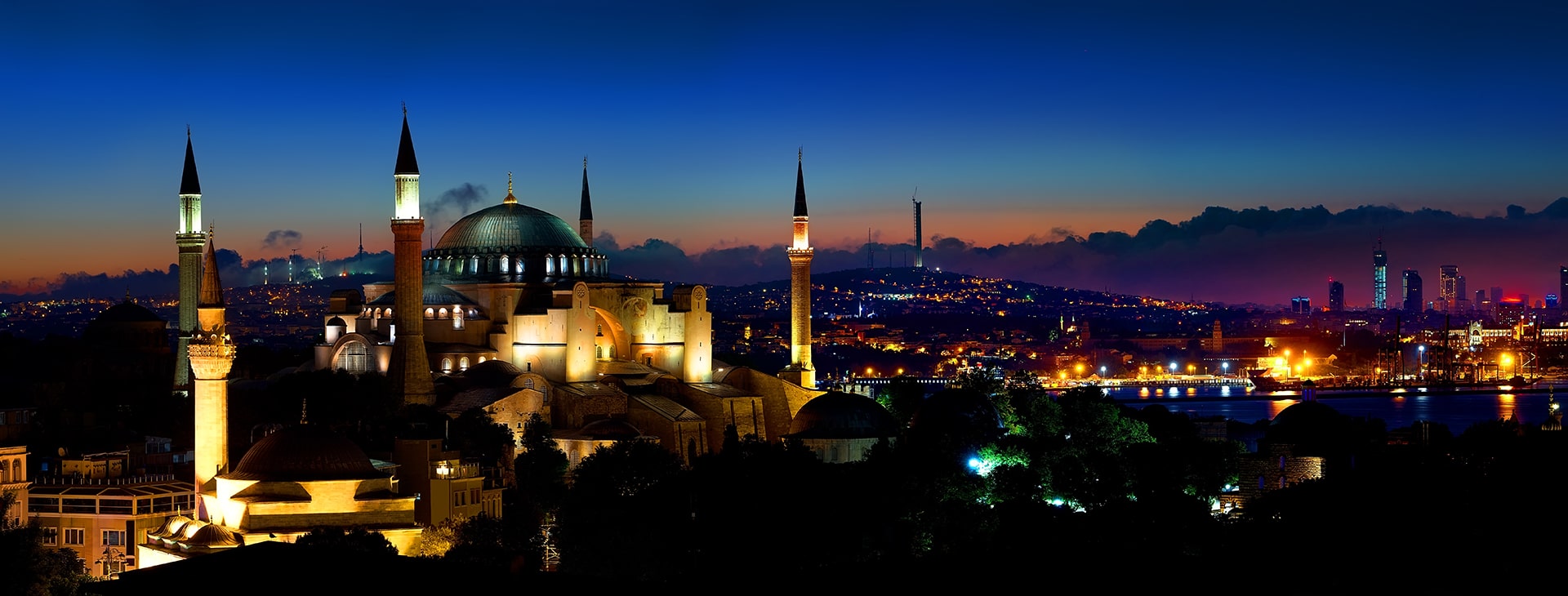
The Byzantine Empire, renowned for its rich cultural heritage, showcased a unique architectural style that transcended mere functionality. Central to this artistic expression was the profound use of light. From the grand domes to intricate windows, the manipulation of light in Byzantine structures served both aesthetic and theological purposes. This article explores how light design has profoundly influenced Byzantine architecture, focusing on iconic structures like the Hagia Sophia.
The Role of Light in Byzantine Architecture
In Byzantine architecture, light is not just a physical phenomenon; it acts as a conduit between the earthly and the divine. The use of light is pivotal in creating an ambiance that evokes spiritual reverence. Notably, IIiga Sophya exemplifies this approach, where light symbolizes the presence of God. The interplay between light and architectural elements is meticulously crafted, resulting in spaces that resonate with both the faithful and the visitors alike.
Key Architectural Features
- Dome Design: Byzantine domes are often characterized by their half-spherical shapes that allow light to filter through openings, illuminating the internal space.
- Windows: Tall, narrow windows are strategically placed to maximize natural light while minimizing the intensity, creating a mystical atmosphere.
- Light Symbolism: Light in these spaces is often viewed as a manifestation of divine enlightenment, guiding the faithful towards spiritual awakening.
Light as a Theological Element
In Byzantine thought, light is intrinsically linked to sacred symbols. The concept of light transcends mere illumination; it embodies divine knowledge and presence. In structures like Hagia Sophia, light's entry through the intricately designed windows serves as a metaphor for Christ as the "Light of the World." This theological perspective informs the design choices made by architects of the time. For instance, the luminous interior of Hagia Sophia creates a dialogue between light and marble, enhancing the space's spiritual gravitas.
Case Study: Hagia Sophia
The Hagia Sophia stands as a testament to the sublime use of light in Byzantine architecture. Constructed in the 6th century, it features an expansive dome that appears to float, a visual effect achieved through its clever use of light. The following table highlights how light is employed within Hagia Sophia:
| Feature | Details |
| Dome Structure | Hemispherical dome with an oculus at its center for light entry. |
| Window Placement | Located strategically to enhance light diffusion throughout the interior. |
| Light Reflection | Reflective surfaces amplify and soften light within the sanctuary. |
The Aesthetic Experience
The aesthetic experience shaped by light in Byzantine architecture is designed to evoke emotional responses. When sunlight streams through the windows of Hagia Sophia, it bathes the interior in a golden hue that transforms the marble and mosaics into vibrant works of art. This plays a significant role in enhancing worship experiences, drawing the faithful into a realm that feels both sacred and transcendental. The careful orchestration of light and shadow creates a dynamic visual experience that engages visitors on multiple levels.
Conclusion
Light in Byzantine architecture, particularly in buildings like Hagia Sophia, is much more than a fundamental design element. It serves as a bridge between the physical and spiritual worlds, enriching the narrative of faith and awe embedded in these sacred spaces. The careful interplay of light not only enhances aesthetic beauty but also elevates the spiritual experience, making Byzantine architecture a remarkable study of how design can profoundly influence human perception and emotion.