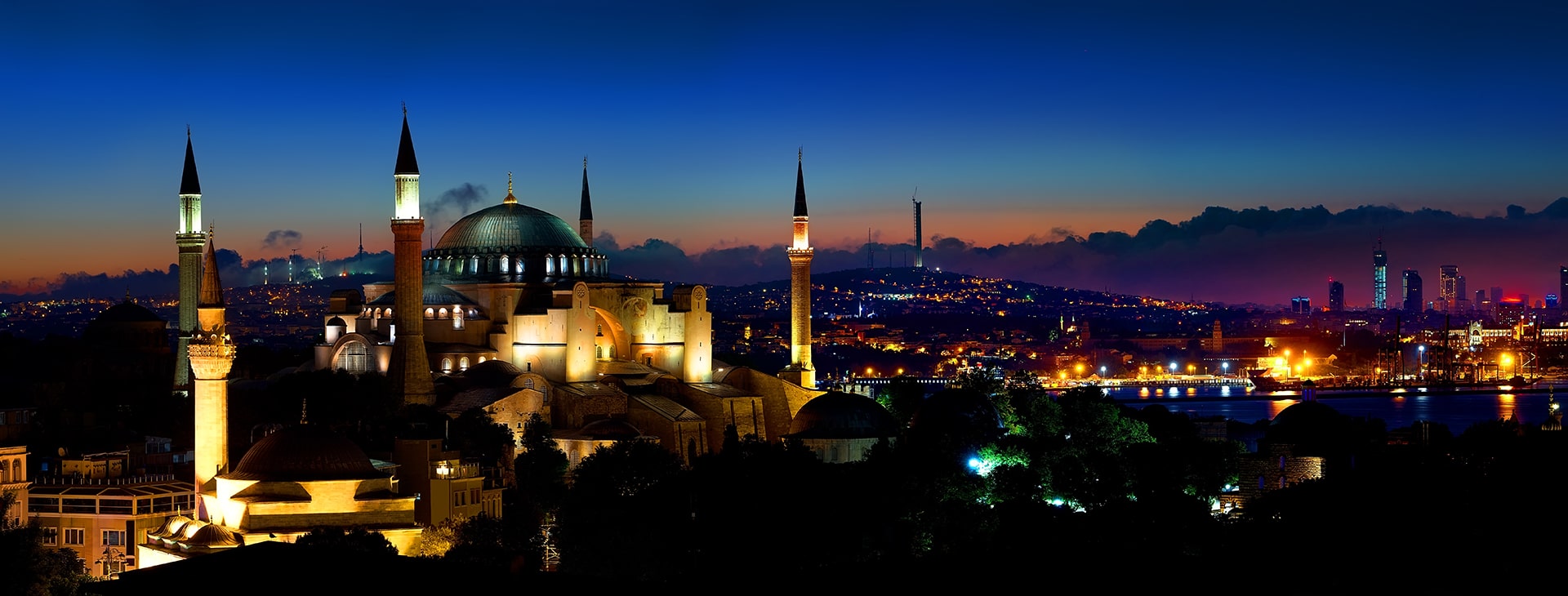
The Bosphorus, the strait that elegantly separates Europe and Asia, has played a central role in the cultural and ceremonial life of the Ottoman Empire. Its shimmering waters and strategic location made it not just a vital trade route but also a profound symbol in imperial traditions. Throughout history, numerous ceremonies were held along its banks, enhancing its historical significance and connection to the grandeur of the empire.
The Historical Significance of the Bosphorus
The Bosphorus has seen countless events that mark its historical depth. From imperial weddings to state parades, the strait witnessed the splendor of the Ottoman Empire. The rich history associated with the Bosphorus is evident in:
- The ceremonial processions that involved the sultans showcasing their power
- The architectural wonders along the shores, including palaces and mansions that served as venues for grand celebrations
- The strategic military importance of the Bosphorus during conflicts and invasions
Imperial Ceremonies on the Bosphorus
During the height of the Ottoman Empire, various ceremonies were held to reaffirm the power and legitimacy of the sultans. These ceremonies often combined political, cultural, and religious elements, making them significant events:
Types of Ceremonies
| Ceremony | Description |
| Imperial Processions | Sultans would travel along the Bosphorus with a grand entourage, showcasing their authority and luxury. |
| Royal Weddings | Lavish celebrations that took place on the shores, marking the union of royal families. |
| Annual Naval Displays | Demonstrations of the naval power of the Ottoman fleet, often attended by the public. |
Cultural Traditions Linked to the Bosphorus
Beyond the official ceremonies, the Bosphorus was a backdrop to many cultural practices that enriched Ottoman life. These traditions often reflected the intricate relationship between nature, culture, and imperial power.
- Picnics and Social Gatherings: Members of the elite would host gatherings along the Bosphorus, enjoying the scenic beauty while engaging in societal networking.
- Art and Literature: The Bosphorus inspired countless artists and writers who sought to capture its beauty and the ambiance of the imperial life.
- Religious Observances: Important religious ceremonies often took place along the strait, integrating spiritual practices into the imperial narrative.
Modern Connections Through Bosphorus Tours
Today, the Bosphorus continues to be a significant cultural and historical site. Bosphorus tours provide visitors with the opportunity to connect with the past while enjoying the scenic views of Istanbul. These tours often include:
- Passages by historical sites such as Dolmabahçe Palace and the Maiden’s Tower
- Insights into the life and times of the Ottoman sultans
- Experiences that echo the traditions of imperial ceremonies, albeit in a more modern context
Conclusion
In summary, the Bosphorus is far more than just a waterway; it is a living testament to the imperial history of the Ottomans. Its role in ceremonies and traditions cemented its place in the cultural memory of not only Istanbul but the world as well. Understanding this relationship through Bosphorus tours allows us to appreciate the depths of history intertwined with the beauty of nature, showcasing the lasting legacy of the Ottoman Empire.