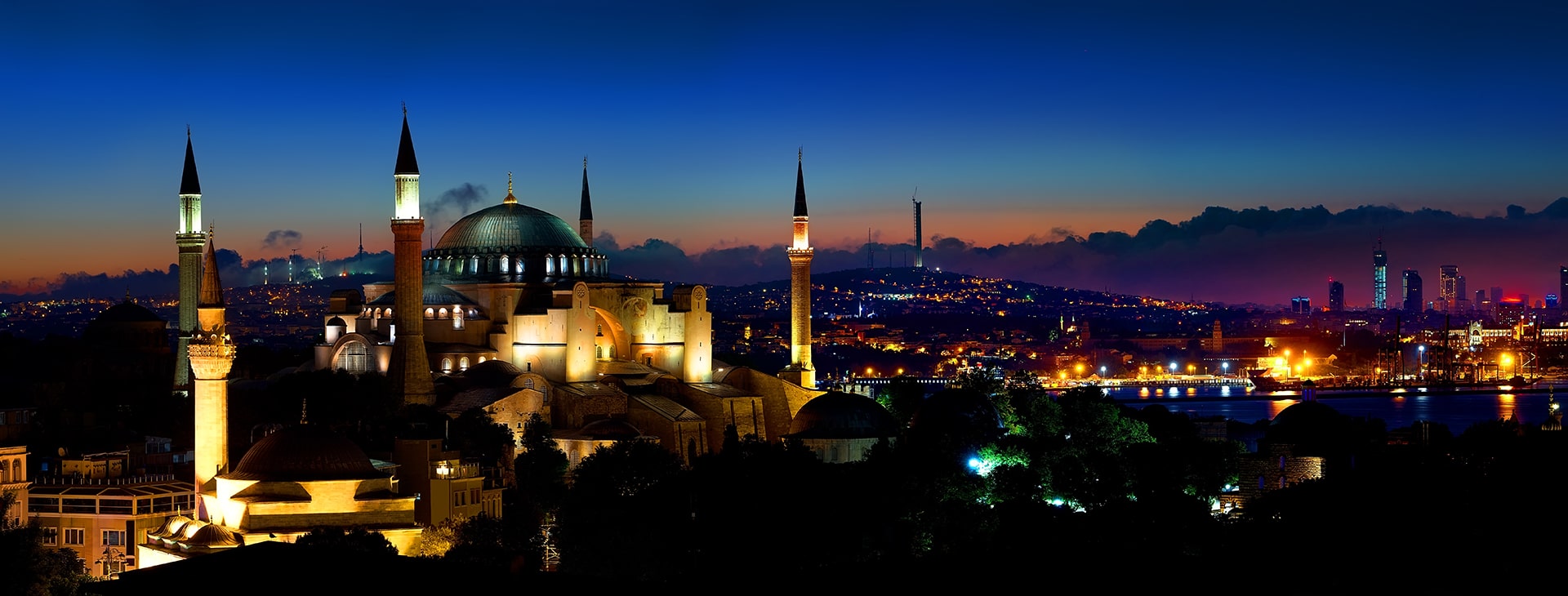
The city of Istanbul is a living testament to the grandeur of Ottoman architecture, featuring structures that reflect both cultural and historical significance. Among the most influential figures in this domain is Mimar Sinan, whose works remain a cornerstone of Ottoman architectural heritage. His innovative designs and engineering techniques have left an indelible mark on the city, inspiring future generations of architects.
Mimar Sinan, known as the chief architect of the Ottoman Empire, was responsible for creating some of the most iconic buildings in Istanbul. During his lifetime, he built over 300 structures, including mosques, bridges, and schools. His most famous work, the Suleymaniye Mosque, exemplifies the harmonious blend of functionality and beauty that defines Ottoman architecture.
Mimar Sinan's Architectural Masterpieces
Sinan's design philosophy was rooted in both aesthetic beauty and structural innovation. Here are some of his most notable buildings in Istanbul:
- Suleymaniye Mosque: Completed in 1557, this mosque is celebrated for its stunning dome and intricate tile work.
- Selimiye Mosque: Although located in Edirne, it shows Sinan's architectural evolution and is viewed as one of his masterpieces.
- Rüstem Pasha Mosque: Famed for its exquisite İznik tiles, this mosque is a perfect example of Sinan's ability to integrate art and architecture.
- Mihrimah Sultan Mosque: Located in Edirnekapı, this mosque combines both Ottoman and Byzantine architectural elements.
Impact on Ottoman Architecture
Sinan's influence extended beyond his lifetime, shaping the direction of Ottoman architecture and urban planning. His designs were characterized by:
- Symmetry and Balance: Buildings were designed to achieve visual harmony.
- Innovative Use of Materials: Sinan utilized marble, brick, and stone to enhance the durability and aesthetic appeal of structures.
- Integration of Nature: His works often included gardens and courtyards that bridged the gap between the built environment and natural landscapes.
Other Notable Ottoman Architects
While Mimar Sinan remains the most celebrated architect of the Ottoman era, several others significantly contributed to Istanbul's architectural legacy. Below is a brief overview of these prominent figures:
| Architect | Notable Works | Contribution |
| Sinan | Suleymaniye Mosque, Rüstem Pasha Mosque | Master of Ottoman architecture, defined the style |
| Davut Ağa | Yeni Camii | Known for his contributions to mosque architecture |
| Ali Neccar | Süleymaniye Mosque's dome | Expert in dome construction techniques |
| Mahmud II's Architects | Various structures in the 19th century | Adapted Ottoman architecture to modern needs |
Legacy of Ottoman Architecture Today
The legacy of Ottoman architecture in Istanbul is not only preserved in its historical sites but also continues to inspire contemporary architects. Modern structures in Istanbul often reflect the principles established by Sinan and his contemporaries, maintaining a dialogue between the past and present.
Today, Istanbul’s skyline, a blend of ancient mosques, palaces, and modern architectur, tells the story of a city that has evolved yet remains deeply rooted in its heritage. Visitors and residents alike can appreciate the craftsmanship and artistry that define Ottoman architecture, ensuring that this rich legacy endures for future generations.