About the Museum
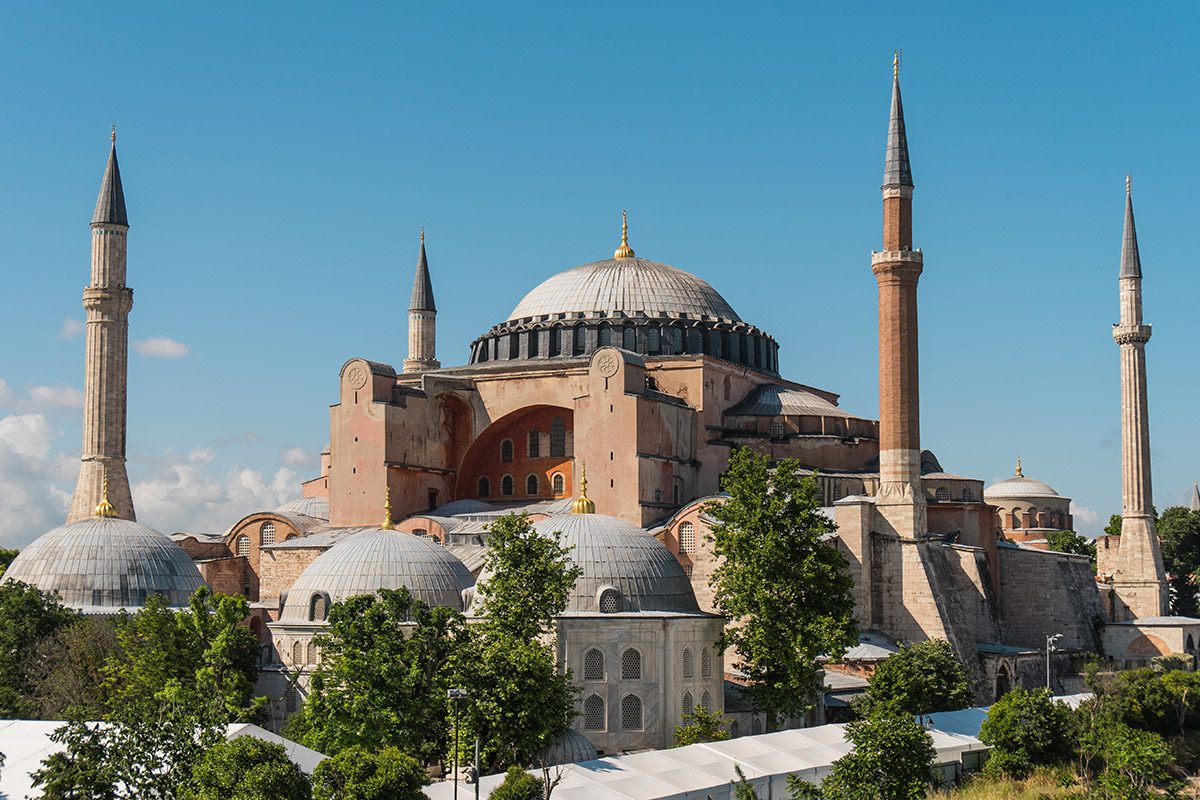
Hagia Sophia is one of the most iconic structures in world history — a masterpiece of Byzantine engineering, a symbol of Ottoman heritage and a timeless landmark that has shaped Istanbul’s identity for nearly 1,500 years. Originally built in 537 CE under Emperor Justinian I, it stood as the world’s largest church for centuries and later became an imperial mosque, reflecting the layered cultural history of the city.
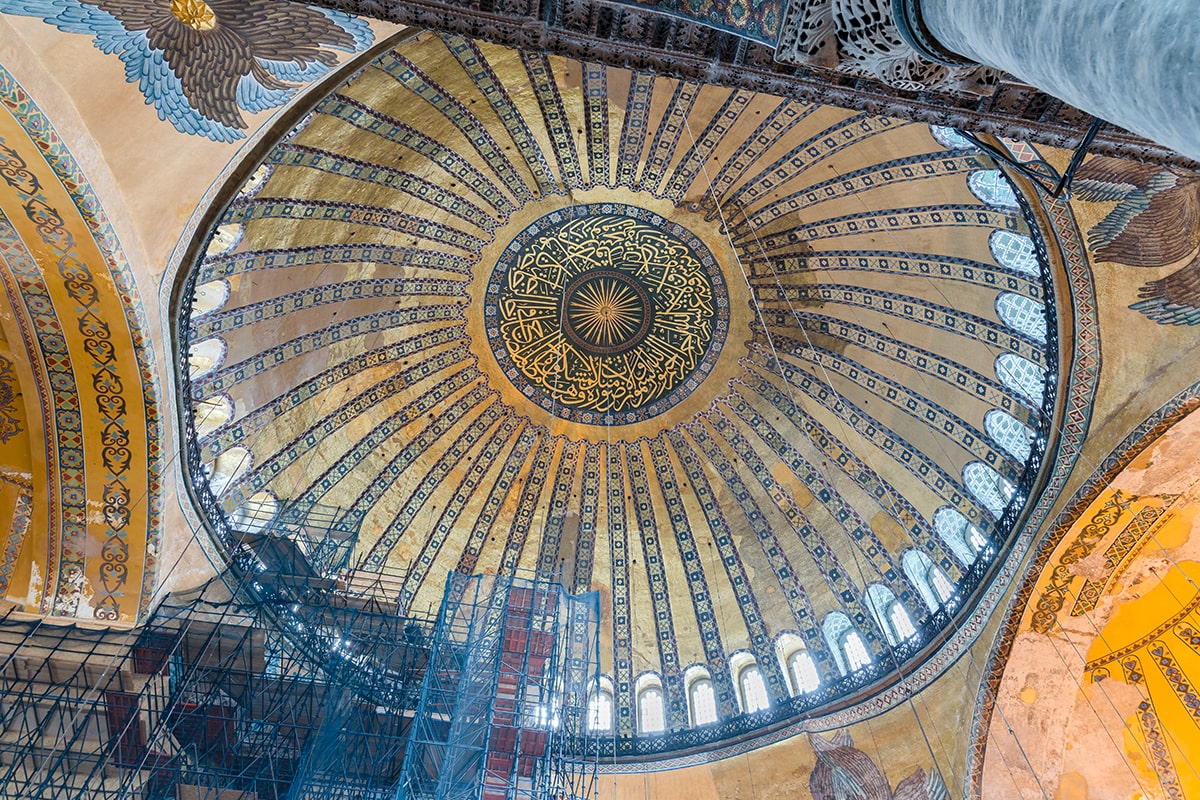
The structure is famous for its extraordinary dome, which was considered an engineering miracle of its age. Hovering seemingly weightless above the vast interior, the dome creates a sense of light, space and divinity unmatched by any other building of its time. The harmony of columns, semi-domes, arches and marble surfaces showcases the sophisticated design principles of the Byzantine world.
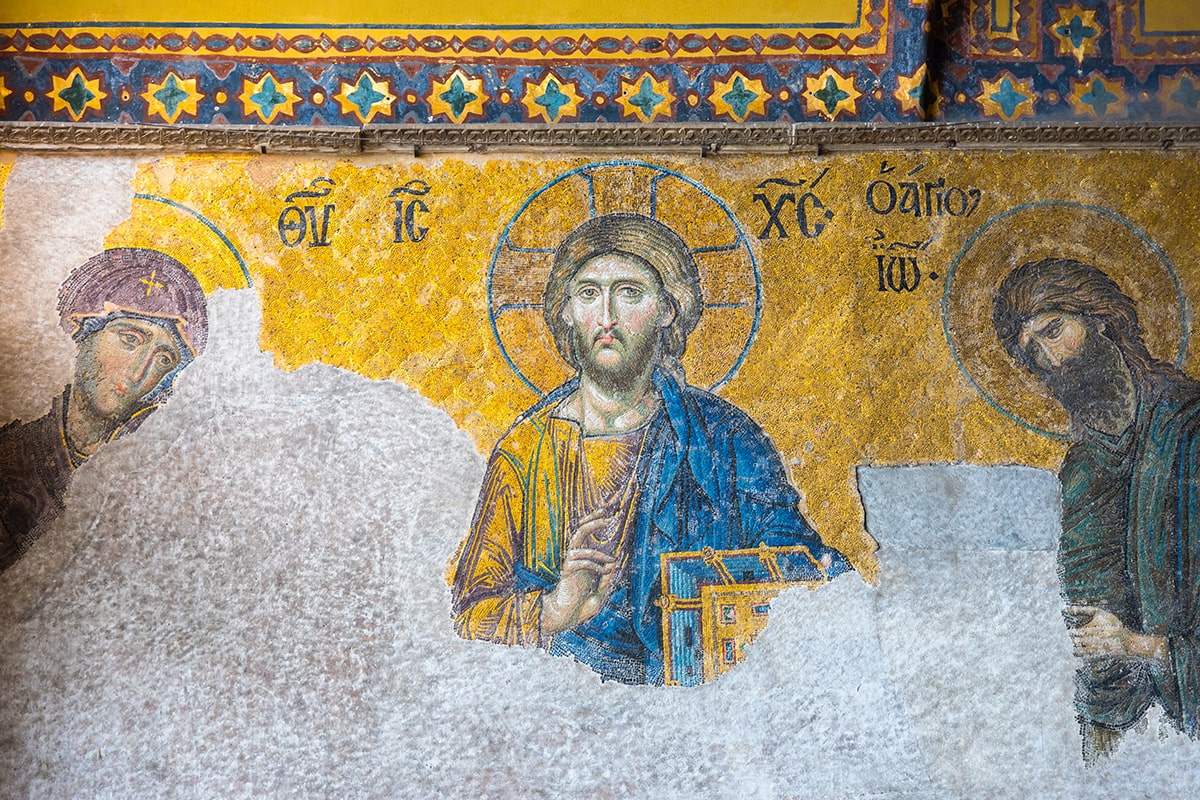
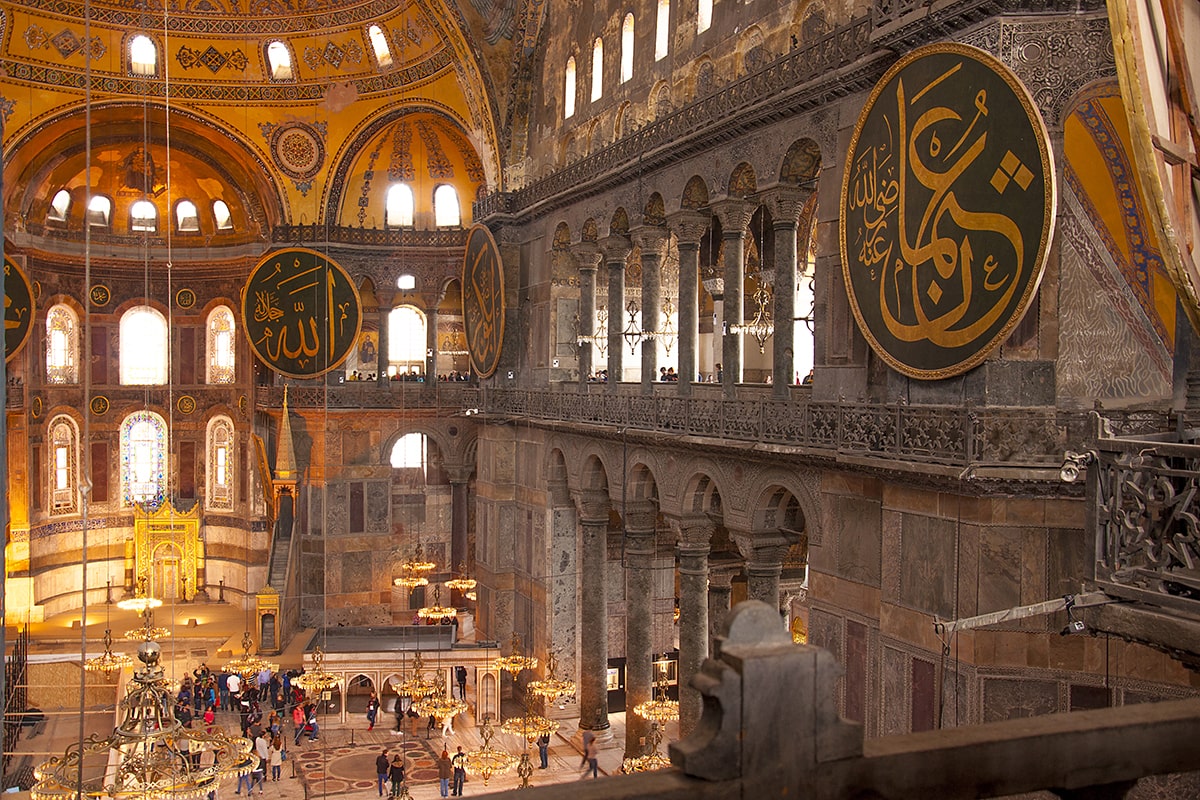
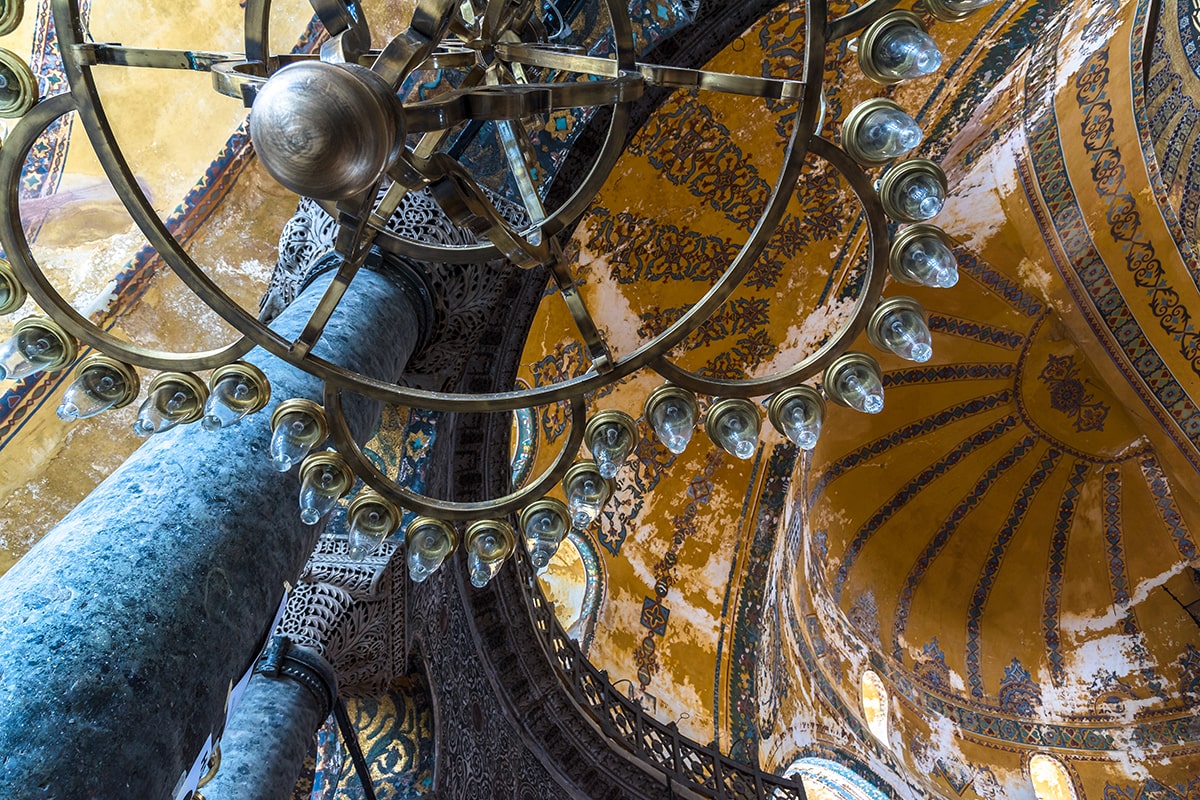
Inside, visitors encounter a blend of Christian mosaics and Islamic calligraphy, illustrating Hagia Sophia’s dual spiritual legacy. Gold-ground mosaics depicting the Virgin Mary, Christ and imperial figures adorn upper galleries, while large roundels bearing names of Allah, the Prophet Muhammad and early caliphs emphasize its Ottoman transformation. This coexistence of artistic traditions is one of the building’s most defining features.
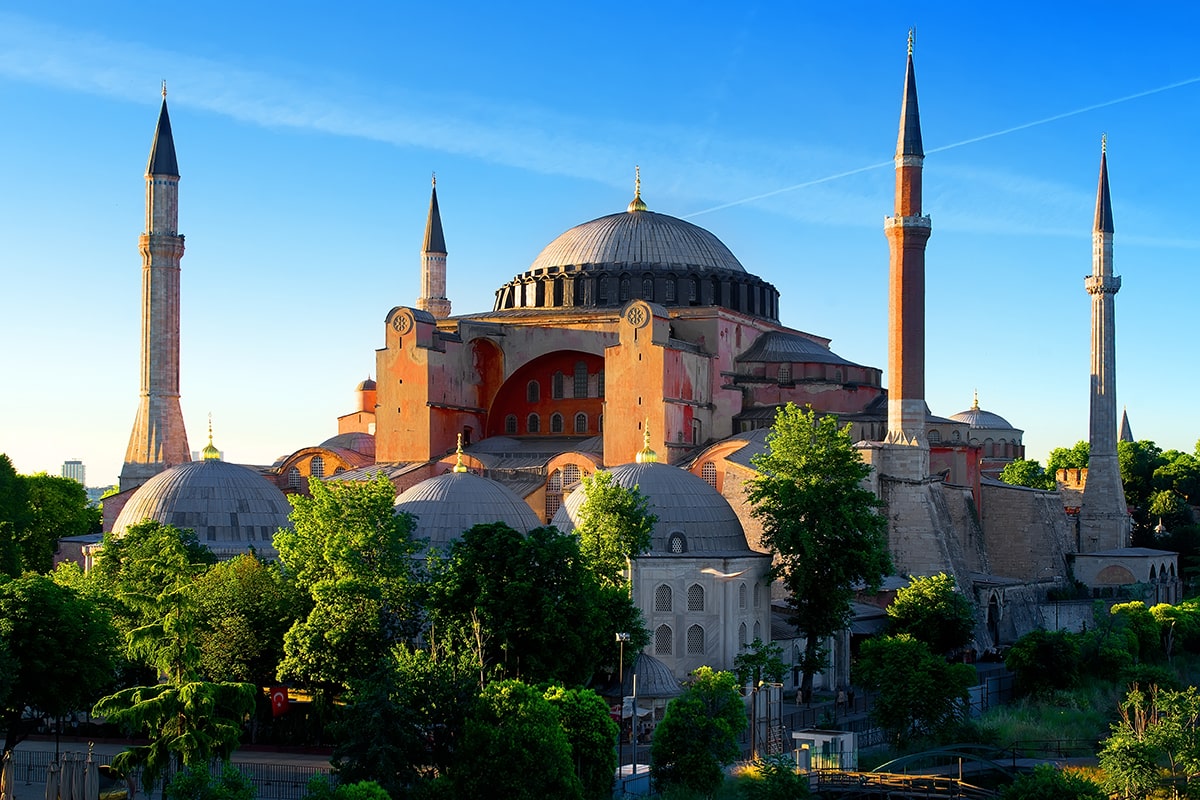
Throughout the Ottoman era, sultans made significant additions, including minarets, the mihrab, the muezzin platform and architectural reinforcements designed by the great architect Mimar Sinan. These enhancements strengthened the structure and shaped its silhouette, turning Hagia Sophia into a central monument of the empire’s spiritual life.
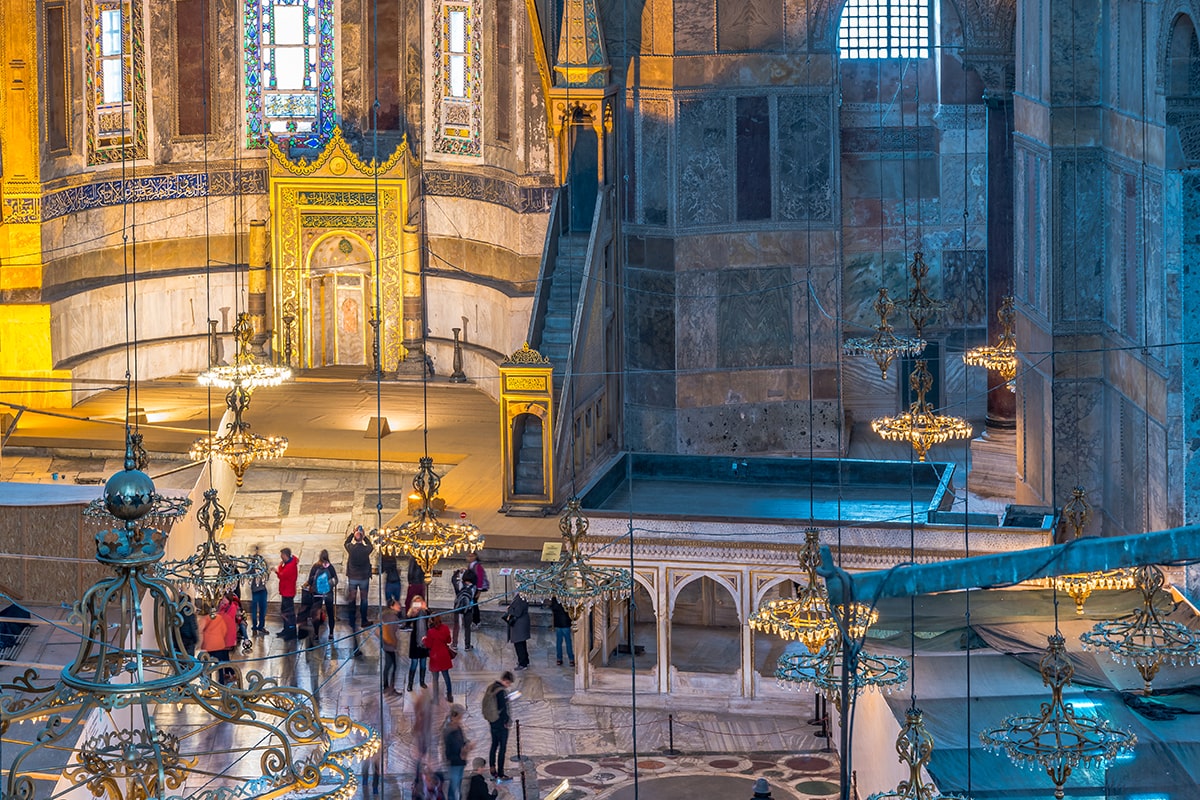
The enormous nave, marble floors, porphyry columns and cascading light create an atmosphere of awe and contemplation. The building’s acoustics — capable of sustaining long resonances — contributed to its renowned liturgical experience during the Byzantine era. Even today, its interior evokes a sense of majesty and tranquility that transcends time and tradition.
Hagia Sophia’s exterior also reflects centuries of architectural evolution. Buttresses, minarets, galleries and decorative stonework reveal the building’s resilience and the interventions required to preserve its massive dome. The site’s location on the historical peninsula places it among Istanbul’s most important landmarks, directly connected to the city’s imperial history.
As a museum of ideas, architecture and faith, Hagia Sophia tells the story of a city that has served as the crossroads of civilizations. Its walls, mosaics and architectural forms embody both continuity and transformation, offering visitors a deep and meaningful window into the spiritual and artistic traditions that shaped Istanbul over the centuries.
Today, Hagia Sophia remains one of the most visited and globally recognized monuments. Its influence extends far beyond architecture — it symbolizes coexistence, cultural exchange and the enduring creativity of human history.
Highlights
- The Great Dome: A revolutionary engineering achievement of the 6th century.
- Byzantine Mosaics: Gold-ground images of Christ, the Virgin Mary and imperial figures.
- Islamic Calligraphy Panels: Monumental roundels added during the Ottoman era.
- Mihrab and Minbar: Ottoman additions emphasizing Hagia Sophia’s role as a mosque.
- Upper Galleries: Home to historic mosaics and offering panoramic interior views.
- Mimar Sinan’s Structural Reinforcements: Buttresses and supports that stabilized the dome.
- Marble Flooring and Columns: Materials sourced from across the Byzantine Empire.
- Imperial Door: The grand entrance traditionally reserved for Byzantine emperors.
- Minarets: Four towers marking the building’s transformation under the Ottomans.
- Central Nave: A vast open space flooded with atmospheric natural light.
Gallery
Frequently Asked Questions
Hagia Sophia was completed in 537 CE during the reign of Byzantine Emperor Justinian I.
Its massive, seemingly floating dome was an engineering breakthrough and remained unmatched for centuries.
Its dual history as a Byzantine cathedral and later as an Ottoman mosque created a unique blend of artistic traditions.
Mosaics of Christ, the Virgin Mary and various Byzantine emperors are visible, especially in the upper galleries.
Most of the minarets were added by Ottoman sultans, with structural improvements by Mimar Sinan.
Marble, porphyry and stone imported from regions across the Byzantine Empire were used extensively.
Architect Mimar Sinan added buttresses and reinforcements that significantly stabilized the dome.
Its long and layered history reflects the city’s role as a crossroads of religions, empires and cultures.
Its vast interior creates long-lasting echoes that contributed to its famous liturgical soundscape.
Detailed mosaics, inscriptions and elevated views of the central nave are among the highlights.