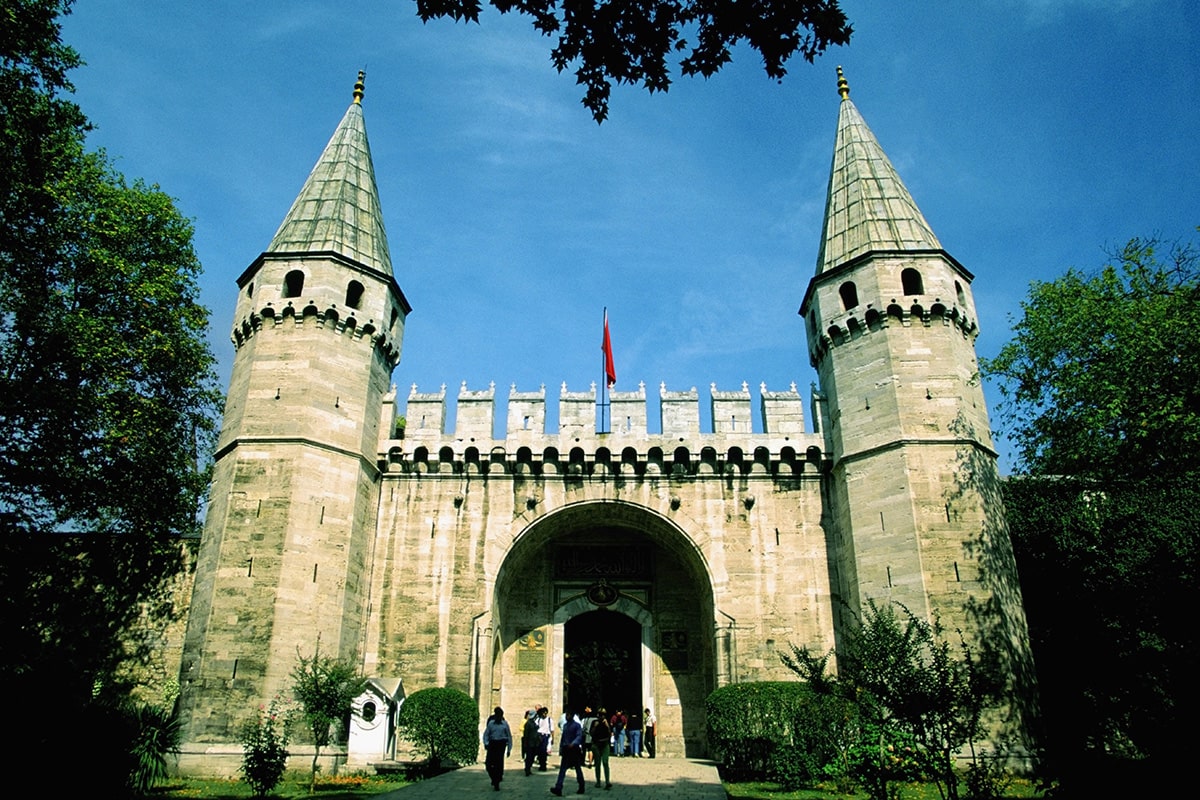
About the Museum
Topkapi Palace is one of the most important landmarks in Istanbul and the former political heart of the Ottoman Empire. From the 15th to the mid-19th century, sultans, grand viziers, scholars and palace officials lived and worked here, shaping the course of history across three continents. Today, the palace functions as a museum, inviting visitors into a world of ceremonial courtyards, private chambers and breathtaking views over the Bosphorus.
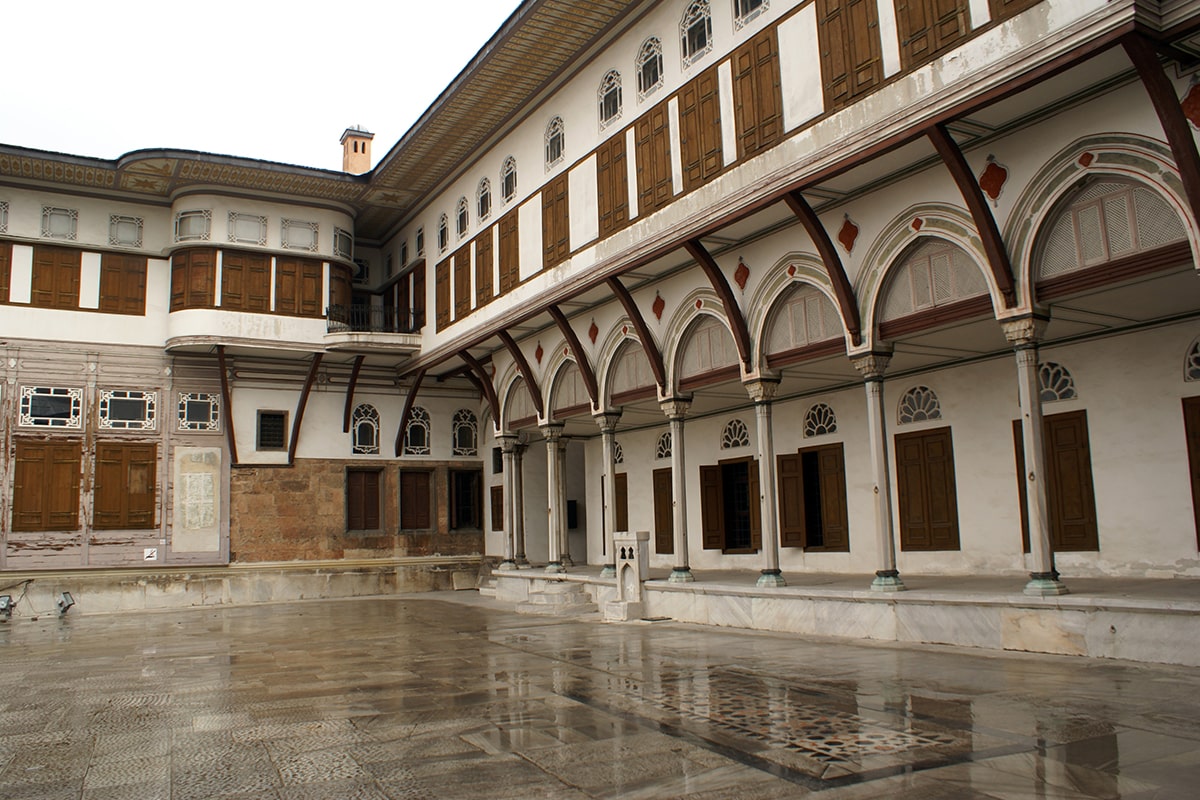
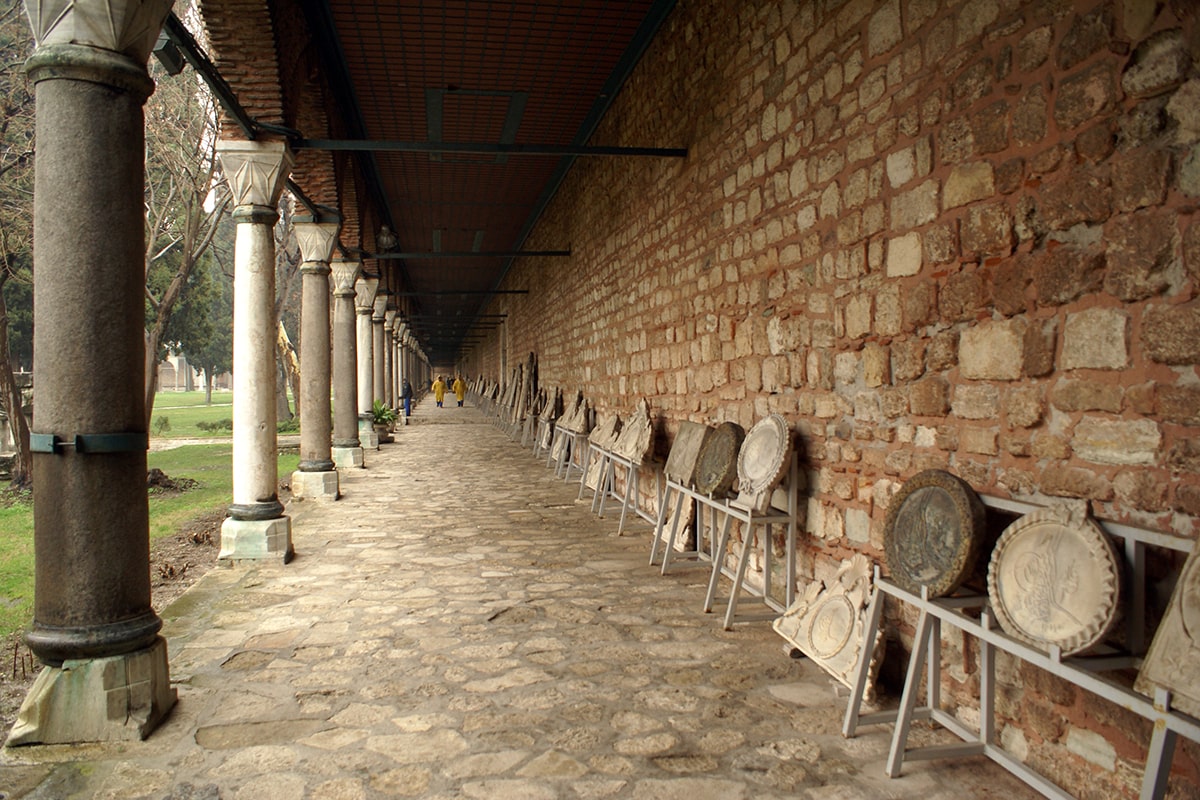
Instead of being a single monumental building, Topkapi Palace is a large complex made up of four main courtyards and many smaller gardens, pavilions and service areas. Each courtyard takes you deeper into the daily rhythm of imperial life: from military ceremonies and state administration to education, spirituality and the intimate spaces of the royal family. This layered structure makes a visit feel like a gradual journey from the outer world of power to the inner world of privacy.
The palace was commissioned by Sultan Mehmed II, also known as Mehmed the Conqueror, after the Ottoman conquest of Constantinople. Built on the historic Seraglio Point, it overlooks the Golden Horn, the Bosphorus and the Sea of Marmara at once. Over the centuries, new buildings, pavilions and decorative details were added by different sultans, creating a living architectural record of changing tastes, influences and technologies within the empire.
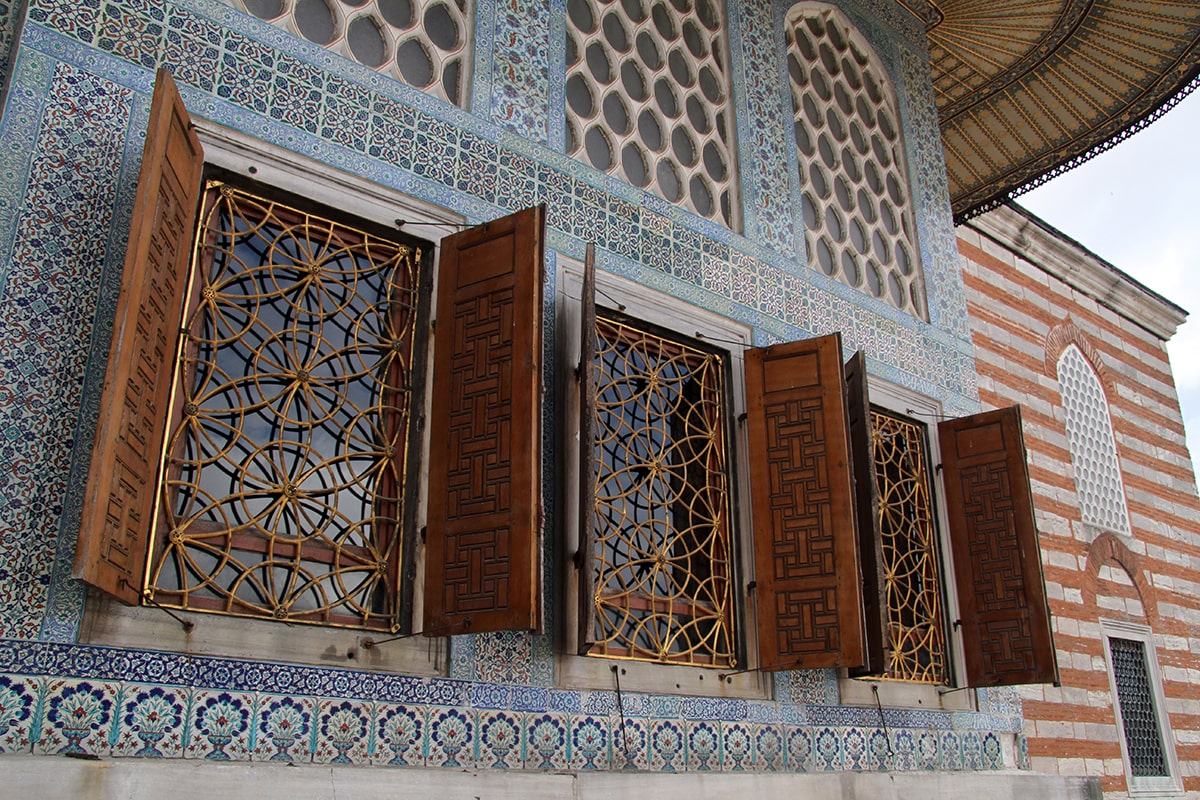
Inside the complex, visitors encounter a rich combination of architecture, art and ceremonial spaces. Elegant domes, tiled porticos, marble fountains and wooden pavilions coexist with open courtyards and shaded colonnades. The Imperial Council Chamber reflects the political life of the empire, where grand viziers met to discuss state affairs. The Enderun School and surrounding buildings highlight the educational and cultural side of palace life, where future administrators and courtiers were trained.
One of the most fascinating areas of the palace is the Harem, the private residential section of the imperial family. This area is a maze of corridors, small courtyards, richly decorated rooms and baths. Here, the sultan, the queen mother, consorts and princes lived under a strict and complex set of rules. The decorative program of the Harem — especially the ornate Iznik tiles and carved wooden ceilings — offers deep insight into Ottoman interior aesthetics.
Another key part of the complex is the Privy Room (Has Oda), which houses sacred relics and holds an important place in the spiritual life of the palace. Nearby, the Imperial Treasury presents an impressive display of royal objects, from ceremonial armor and jeweled weapons to thrones and precious decorative pieces. These collections showcase the craftsmanship, wealth and diplomatic connections of the empire across centuries.
As you move toward the inner gardens and kiosks of the Fourth Courtyard, the atmosphere becomes more tranquil. Pavilions such as the Revan and Baghdad kiosks were used for relaxation, reception and contemplation, often decorated with fine tiles, woodwork and calligraphy. From the terraces here, you can enjoy some of the most memorable panoramas of Istanbul, with the Bosphorus and the city’s historic skyline stretching in every direction.
Today, Topkapi Palace functions not only as a museum of objects, but also as a museum of spaces. Every courtyard, gate and pavilion tells a story about protocol, ceremony and everyday life at the heart of the Ottoman Empire. Walking through the complex is a chance to imagine processions of officials, the quiet footsteps of courtiers, and the private routines of the imperial family, all unfolding behind these gates and walls.
Whether you are interested in history, architecture, religion or simply beautiful views, Topkapi Palace offers a deep and layered experience. It is a place where visitors can step into the world of sultans and see how power, art and devotion were woven together in the daily life of an imperial capital.
Highlights
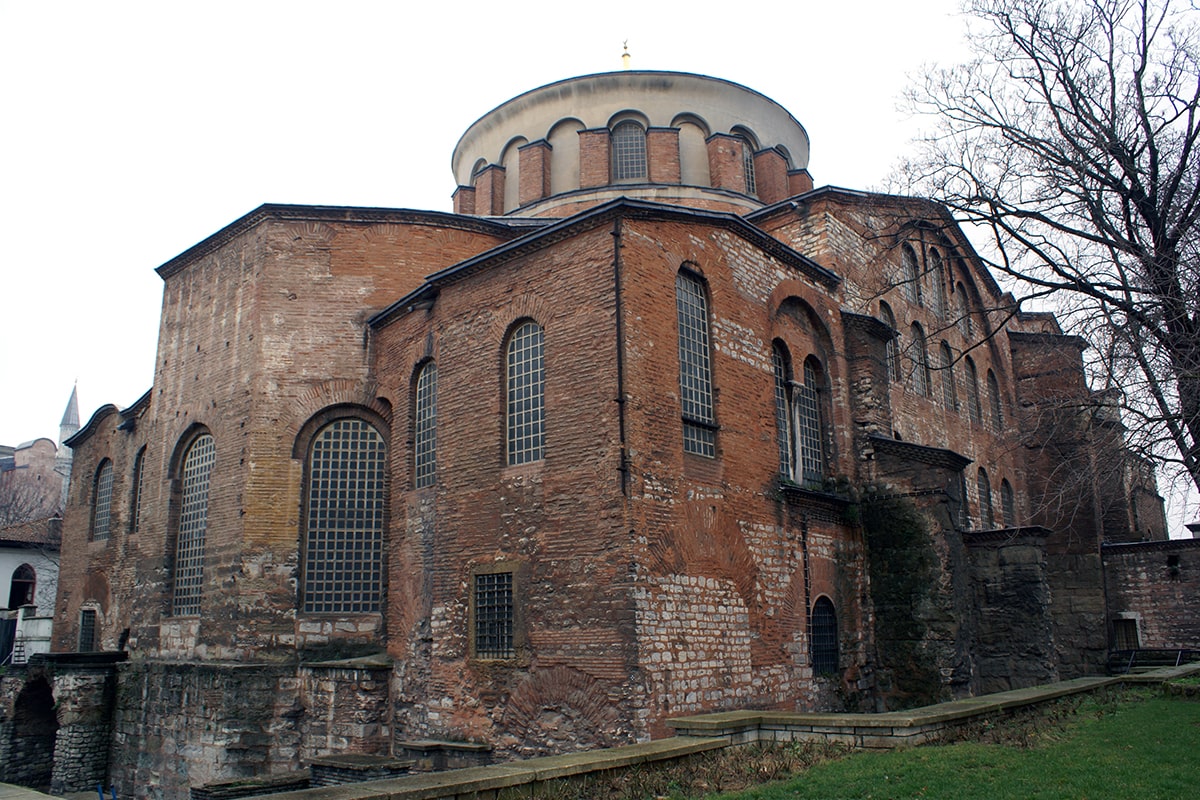
- First Courtyard: Outer administrative and service area including Hagia Irene.
- Imperial Gate (Bâb-ı Hümâyun): Monumental entrance to the palace grounds.
- Second Courtyard: Includes the Imperial Council Chamber, kitchens and gardens.
- Imperial Council Chamber: Political center where state matters were discussed.
- Harem Section: Private residential area of the imperial family with ornate interiors.
- Third Courtyard: Home to the Enderun School and key ceremonial halls.
- Privy Room (Has Oda): Spiritual center housing sacred Islamic relics.
- Imperial Treasury: Displays royal jewels, armor and ceremonial objects.
- Fourth Courtyard: Gardens and kiosks such as Baghdad and Revan pavilions.
- Panoramic Terraces: Stunning views over the Bosphorus and historic peninsula.
Gallery


Frequently Asked Questions
It served as the political, administrative and ceremonial center of the Ottoman Empire for nearly four centuries.
It is a large complex made up of courtyards, pavilions, gardens and service buildings rather than one central structure.
Each courtyard represented a different level of authority, ceremony and privacy within the palace.
Sultans, the imperial family, statesmen, scholars and palace-trained officials lived or worked within its grounds.
The Harem was the private living quarters of the imperial family, featuring richly decorated rooms and strict internal hierarchy.
Ottoman, Islamic and Byzantine influences merged through tilework, calligraphy, domes and wooden pavilions.
Yes, the Privy Room contains sacred Islamic relics that held great spiritual importance for the court.
Most visitors spend several hours exploring the courtyards, Harem, treasury and pavilions.
Absolutely. It showcases intricate tilework, calligraphy, domes, fountains and centuries of Ottoman design evolution.
The terraces and gardens provide sweeping views of the Bosphorus, Golden Horn and historic Istanbul skyline.