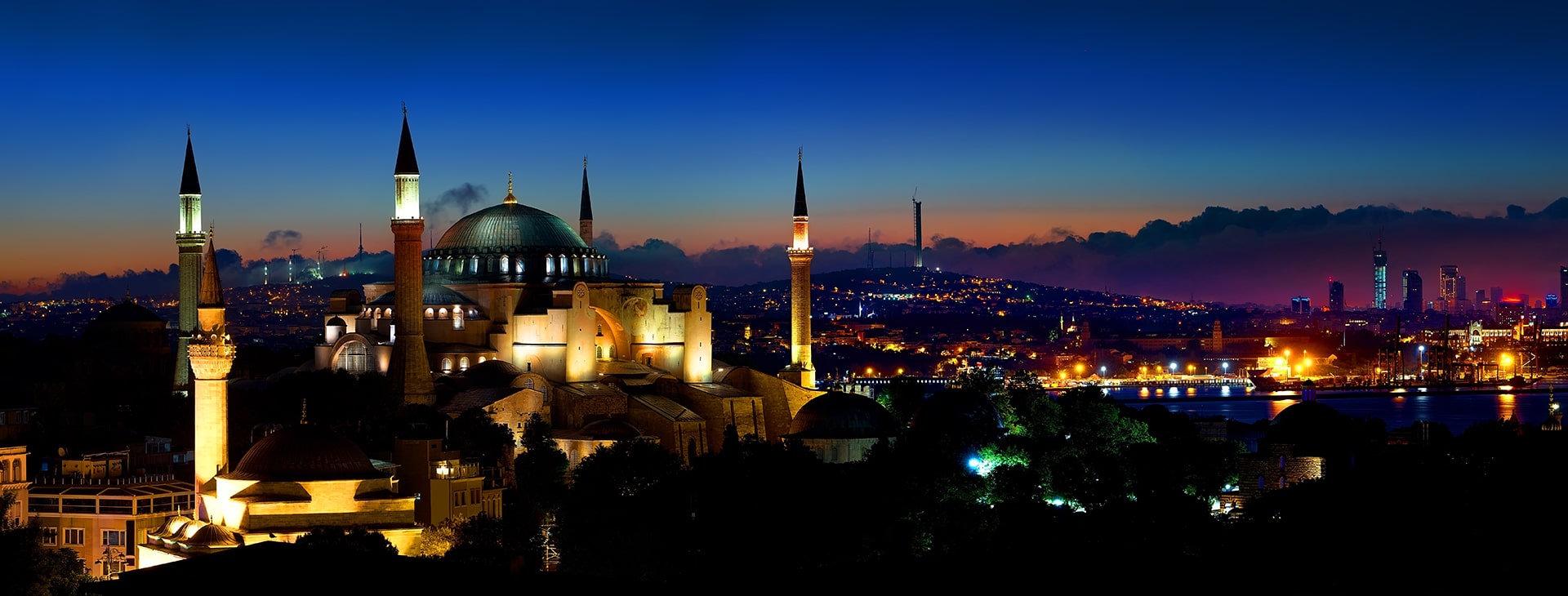
While most visitors flock to iconic landmarks like Hagia Sophia and Topkapi Palace, many overlook the subtle yet profound artifacts representing the Ottoman and Byzantine eras scattered throughout Istanbul's museums. These artifacts tell stories that transcend time, offering insights into the social, cultural, and artistic practices of their respective periods. Unveiling these overlooked treasures can enrich your understanding of Istanbul's layered history.
Exploring Lesser-Known Collections
Many of Istanbul's museums house collections that are rich in Ottoman and Byzantine artifacts, yet remain underappreciated. For instance, the Dolmabahce Palace showcases an opulent display of 19th-century Ottoman architecture and interior design, featuring exquisite furniture, textiles, and art that reflect the empire's grandeur. The intricate details found in the palace’s decorative arts offer a glimpse into the lifestyles of the Ottoman elite.
In contrast, the Basilica Cistern presents an entirely different narrative. This underground wonder, constructed during the Byzantine era, boasts columns adorned with unique carvings, including the famous head of Medusa. Such artifacts invite visitors to ponder the technological prowess and aesthetic sensibilities of Byzantine architects, showcasing their ability to blend utility with artistry.
The Role of Everyday Artifacts
Everyday items from the Ottoman and Byzantine periods often reveal much about the daily lives of people. For example, ceramics and pottery unearthed from archaeological sites provide insights into trade, culinary practices, and domestic life. Museums like the Archaeological Museum of Istanbul house vast collections where you can appreciate the craftsmanship of these everyday objects, which are often overlooked in favor of more monumental pieces.
Additionally, textiles from the Ottoman period, such as intricate carpets and embroidered fabrics, reflect not only artistic skills but also the cultural exchanges that occurred through trade routes. These textiles often tell stories of migration and cultural fusion, illustrating how different influences shaped the Ottoman identity.
Artistic Techniques and Cultural Significance
The artistic techniques used in both Ottoman and Byzantine artifacts are noteworthy. Byzantine mosaics, for instance, are renowned for their intricate designs and use of vibrant colors. The Hagia Sophia features stunning mosaics that depict religious figures, offering insights into the spiritual life of Constantinople. The meticulous craftsmanship involved in creating these mosaics reflects the high value placed on art during this era.
On the other hand, Ottoman art is characterized by its intricate calligraphy and miniature paintings. These art forms were not only decorative but also served as a means of communication and storytelling. Understanding these techniques enhances our appreciation of how art was utilized as a tool for both expression and propaganda within the empire.
Preserving Cultural Heritage
As we explore these overlooked artifacts, it's essential to consider the efforts made to preserve Istanbul's rich cultural heritage. Various museums engage in restoration projects to ensure that these historical pieces are preserved for future generations. By visiting these museums, you actively participate in the preservation of history and culture, allowing these stories to continue to resonate.
Engaging with the lesser-known collections of Istanbul's museums not only broadens your understanding of the city's past but also deepens your appreciation for the complexity of Ottoman and Byzantine art. A visit to these museums can transform how you view the city and its historical narratives.
Conclusion: Unlocking Istanbul's Hidden Treasures
In summary, while Istanbul's most famous sites draw the majority of attention, the hidden artifacts of the Ottoman and Byzantine eras offer a profound glimpse into the past. By exploring these lesser-known collections, you contribute to the recognition and appreciation of Istanbul's rich cultural tapestry. For a comprehensive experience, be sure to visit our guide on Must-Visit Museums in Istanbul.