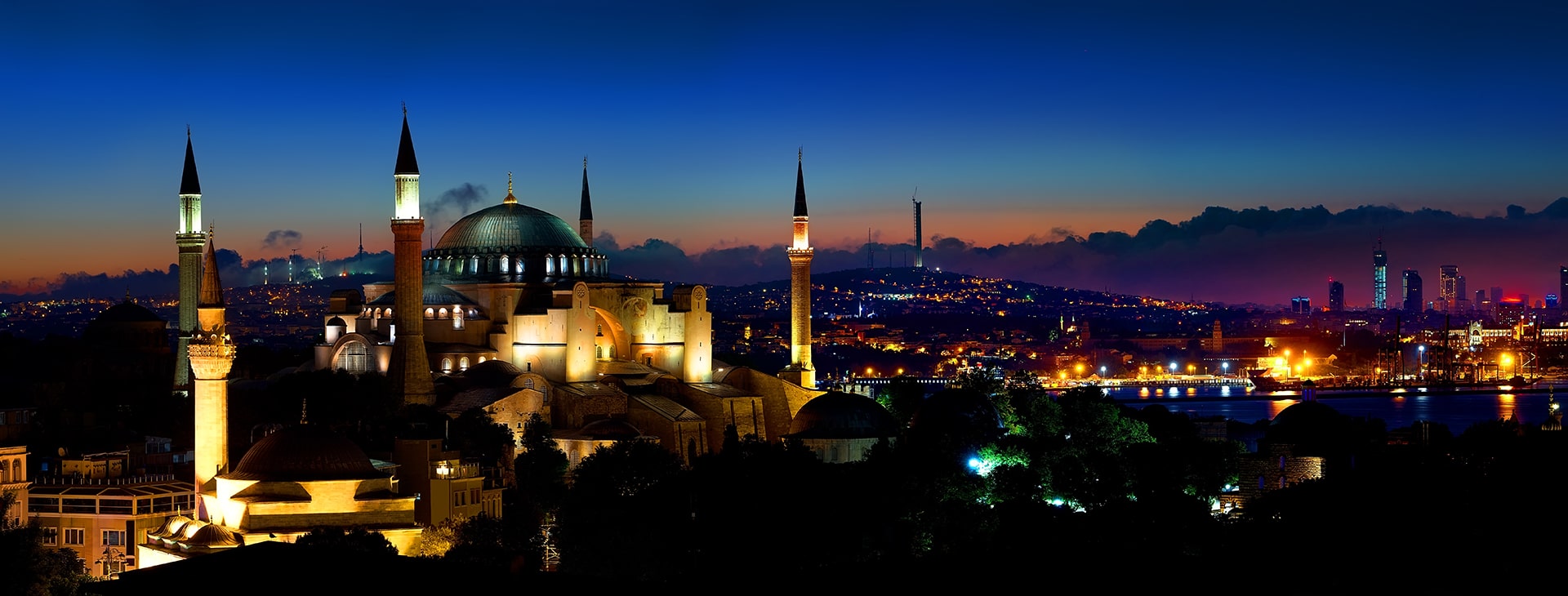
Byzantine art is often overshadowed by the grandeur of the Ottoman Empire, yet its subtle influences permeate Istanbul's cultural landscape. From intricate mosaics to architectural marvels, the remnants of Byzantine artistry tell stories of a civilization that shaped the very fabric of this city. As you wander through Istanbul's museums, you may find these hidden influences providing a deeper understanding of the city’s historical evolution.
The Art of Mosaics: A Byzantine Legacy
Mosaics are perhaps the most recognizable form of Byzantine art, famous for their stunning detail and vibrant colors. Within Istanbul’s museums, particularly the Hagia Sophia, you can observe how these mosaics not only served religious purposes but also acted as a medium for storytelling. Each piece of glass or stone was meticulously placed to depict biblical scenes, saints, and even emperors, reflecting the socio-political climate of the time.
In addition to the Hagia Sophia, the Basilica Cistern houses remnants of Byzantine artistry that highlight the intricate designs that were typical of the era. The interplay of light and shadow on these mosaics offers visitors a glimpse into the aesthetic principles that guided Byzantine artisans, emphasizing harmony and balance, which would later influence Ottoman art.
Architectural Innovations: From Byzantium to Istanbul
Byzantine architecture is characterized by its massive domes, expansive interiors, and innovative use of space. The architectural principles established during this period laid the groundwork for future developments in Ottoman architecture. As you explore the Topkapi Palace, take note of the architectural elements reminiscent of Byzantine design, such as the use of domes and intricate tile work.
The transition from Byzantine to Ottoman architecture represents a fascinating evolution. The Ottomans adopted and adapted many Byzantine techniques, creating structures that were both functional and artistically compelling. This blend of styles can be seen throughout Istanbul, but especially in its museums where historical narratives are preserved.
The Interplay of Cultures: Byzantine and Ottoman
The relationship between Byzantine and Ottoman cultures is a testament to Istanbul’s unique position as a crossroads of civilizations. This rich cultural tapestry is reflected in the art and artifacts housed in various museums. Visiting the Dolmabahce Palace, you can witness the fusion of Byzantine aesthetics with Ottoman opulence, showcasing how the past informed the present.
Moreover, the artistic techniques developed during the Byzantine era continued to influence Ottoman artists, especially in the realm of ceramics and textiles. This cross-pollination of ideas is evident in the intricate designs and motifs that adorn many of Istanbul's museums, making them a treasure trove for art enthusiasts.
Experiencing Byzantine Art Today
To fully appreciate the depth of Byzantine art and its impact on Istanbul, a visit to the city's museums is essential. Engaging with the artworks allows for a personal connection to the historical narratives they represent. Whether you are standing before a grand mosaic in the Hagia Sophia or admiring the delicate craftsmanship of textiles in the Topkapi Palace, each piece invites you to explore the stories of those who came before.
As you plan your visit, consider exploring the Must-Visit Museums in Istanbul to uncover more about the Byzantine influence. This journey through art and history will not only enhance your understanding of Istanbul but also deepen your appreciation for the intricate connections between past and present.
Conclusion: A Journey Through Time
Byzantine art is more than just a historical artifact; it is a living testament to a vibrant culture that has left an indelible mark on Istanbul's identity. As you delve into this art form in Istanbul's museums, you will uncover layers of history and cultural interplay that continue to shape the city. Don’t miss the opportunity to explore the depths of this fascinating heritage and see how it resonates in the modern landscape of Istanbul.